Paulownia Climate Myths: Why Trees Alone Aren’t Enough
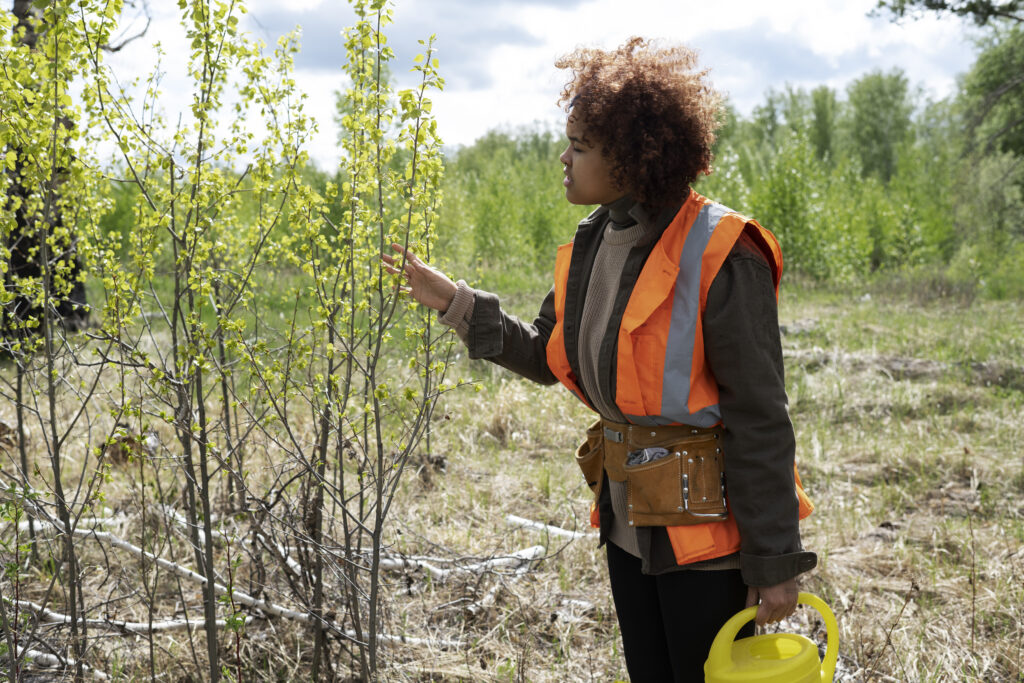
Paulownia Climate Myths often oversimplify the role of trees in addressing global climate change. Many believe that planting trees alone can fully reverse climate impacts. While trees, especially fast-growing species like Paulownia, play a crucial role in carbon sequestration, they are only one part of a broader climate strategy. Understanding these myths ensures realistic expectations and effective action.
Paulownia and Carbon Capture
A common myth is that all trees sequester the same amount of carbon. Paulownia stands out because of its rapid growth and large leaves, which absorb carbon dioxide efficiently. Within just a few years, a Paulownia plantation can capture significant amounts of CO₂, contributing to climate mitigation. However, relying solely on tree planting without complementary energy, transportation, and industrial policies limits the overall impact.
Beyond Planting: Sustainable Land Management
Another misconception is that planting trees anywhere guarantees climate benefits. Location, soil health, and management practices matter. Paulownia thrives in degraded soils and marginal lands, making it ideal for restoring ecosystems. Proper planning prevents competition with food crops and ensures plantations contribute positively to local biodiversity. Mismanagement can reduce benefits and even cause unintended ecological harm.
Climate Adaptation and Community Benefits
Some believe trees only serve environmental purposes. Paulownia, however, supports climate adaptation as well. Its fast-growing timber provides sustainable construction materials, reducing reliance on energy-intensive steel and concrete. Moreover, Paulownia plantations create income opportunities for local communities, building resilience to climate shocks while promoting sustainable livelihoods.
Limitations of Tree-Based Solutions
It is often assumed that tree planting alone can achieve net-zero targets. In reality, comprehensive strategies are required. Renewable energy adoption, emissions reduction, and industrial reforms must complement forestry efforts. Trees like Paulownia amplify mitigation when integrated into broader policies, but they cannot offset unchecked carbon emissions alone.
Final Thoughts
Paulownia climate myths should not discourage action. Recognizing both the strengths and limits of tree-based solutions ensures smarter climate strategies. Planting Paulownia contributes to carbon sequestration, ecosystem restoration, and sustainable livelihoods, but it must be part of an integrated approach to climate resilience. By combining forestry with energy, policy, and innovation, Africa can build a greener, more sustainable future.